Are You Audit-Ready for 2026? Compliance Strategies That Scale
 Published on December 9, 2025
Updated on February 26, 2026
 7 mins to read
In modern business operations, achieving and maintaining compliance is shifting from a periodic obligation to a strategic, continuous requirement. Historically, audit readiness has been approached as a reactive, resource-intensive event, a demanding process focused on preparing documentation under strict deadlines. This traditional, project-based methodology is no longer adequate.
As we look toward 2026, the regulatory and operational landscape mandates a fundamental change. Stakeholders, including regulators, partners, and clients, now require demonstrable, sustained control over risk and data management. Compliance must transition from a retrospective review to a verifiable, inherent function of the organization.
For entities experiencing growth, the critical challenge is establishing compliance systems that can scale effectively. This necessitates implementing a state of continuous audit readiness.
At Klik Solutions, we position compliance not as an isolated topic, but as a systematic and automated operational framework. We deliver the technological tools and strategic frameworks required to embed compliance into daily business processes, ensuring readiness for external validation at any given time.
Why 2026 Audits Will Be More Demanding Than Ever
The compliance and regulatory environment is rapidly hardening. Driven by global data breaches and the proliferation of sophisticated cyber threats, auditors and regulators are raising the bar significantly.
More Rigorous Controls (Data, Privacy, Cybersecurity)
The days of simply having a written policy are over. Auditors now demand verifiable evidence that controls are actively implemented and consistently maintained. This includes:
- Data Privacy: Strict enforcement of regional laws (like GDPR and state-level US laws) that require clear, traceable consent mechanisms and precise data retention/deletion policies.
- Cybersecurity: Moving beyond basic anti-virus to requiring advanced controls like Multi-Factor Authentication (MFA) enforcement, Zero Trust principles, and documented incident response plans.
- Stricter Evidence Requirements and Traceability: Auditors are asking for granular logs, automated audit trails, and consistent documentation over extended periods. They want to see how a policy is enforced, not just if it exists.
Increased Scrutiny for SMBs as Cyber Risks Rise
Small and mid-sized businesses (SMBs) are no longer flying under the radar. As attackers view them as easier targets and potential gateways to larger partners (supply chain risk), the due diligence required by business partners and insurance carriers is increasing. Many SMBs must now achieve third-party certifications like SOC 2 Type 2 to secure contracts, making robust, continuous compliance mandatory.
Industry-Specific Expectations
Compliance standards are becoming hyper-specific:
- HIPAA: Increased focus on Business Associate Agreements (BAAs) and the security of data flowing through modern cloud applications.
- SOC 2: Moving from Type 1 (design) to Type 2 (operating effectiveness over time), requiring months of documented evidence.
- GDPR / CCPA: Continuous demonstration of data access control and documented processes for data subject requests.
- ISO 27001: Requires a comprehensive Information Security Management System (ISMS) with mandatory annual reviews.
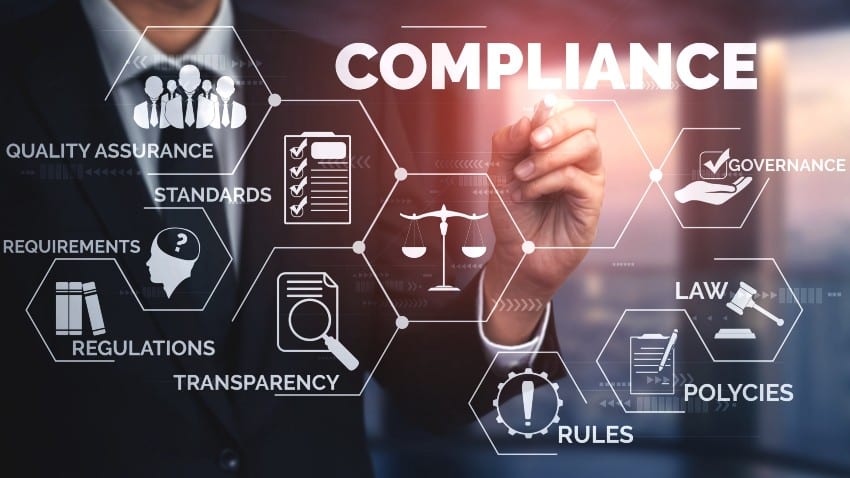
The Cost of Being Unprepared for an Audit
The pain of a failed or disorganized audit extends far beyond the auditor’s fee.
- Financial Penalties: Fines for non-compliance with major regulations (especially GDPR) can reach millions or be a percentage of global revenue.
- Loss of Customer Trust: A public data breach or regulatory action irreparably damages your reputation, leading to customer churn and devastating PR fallout.
- Delays in Partnerships or Vendor Approvals: If you can’t quickly produce evidence of compliance (e.g., a clean SOC 2 report), you will lose out on major contracts and be disqualified as a vendor for larger enterprises.
- Operational Chaos and Staff Burnout: The last-minute scramble drains internal IT staff and management, diverting them from strategic, revenue-generating activities to crisis management.
Compliance isn’t a project, it’s a system
The most fundamental shift required for audit readiness in 2026 is philosophical: you must stop viewing compliance as a single destination and start viewing it as a continuous, operational system.
Why One-Time “Audit Fixes” Fail
Attempting a crash course in compliance right before an audit creates technical debt. These fixes are often poorly integrated, quickly break down after the audit concludes, and inevitably lead to greater chaos when the next audit cycle begins. Compliance by scramble is unsustainable and unreliable.
Importance of Standardized Processes and Continuous Hygiene
True audit readiness is achieved through compliance by design. This means:
- Standardized Processes: Establishing clear, documented, and repeatable procedures for everything from device configuration to user offboarding.
- Continuous Monitoring: Using technology to actively watch your environment, detect deviations from policy, and automatically correct them.
Klik’s philosophy is simple: embed compliance into your daily operations so that gathering audit evidence is simply a matter of running a report.
Strategy #1 — Centralize Documentation & Evidence Collection
The auditor’s primary job is to examine evidence. If your evidence is scattered across email, shared drives, and notebooks, you’ve already failed.
- Automated Logs and Audit Trails: Deploy systems that automatically log every critical event—user logins, file access, configuration changes, and patch installations. This log data is your most valuable proof.
- Document Repositories: Use a secure, centralized system for all compliance documentation (policies, risk assessments, training records).
- Version Control and Approval Workflows: Auditors must see that policies are current and have been formally approved and distributed. Implement clear workflows to track changes and approvals for all compliance documents.

Strategy #2 — Implement Continuous Monitoring & Alerts
In 2026, compliance is about real-time assurance.
- Real-Time Dashboards: Use a centralized platform to visualize your compliance status. This immediately highlights any areas where controls are failing or policies are violated.
- Identity Monitoring: Track all privileged user activity and instantly alert security teams to unusual login patterns or excessive administrative tasks.
- Cloud Configuration Audits: The shift to cloud (AWS, Azure) means configuration errors are the new security risks. Continuously audit cloud settings to ensure they align with compliance baselines (e.g., no public S3 buckets, enforced encryption).
- Continuous Vulnerability Scanning: Regularly scan your network and applications for vulnerabilities. This demonstrates diligence in proactively managing security risks, a key requirement for frameworks like ISO 27001.
Strategy #3 — Standardize Policies & Access Controls
Access control is the cornerstone of data security compliance.
- Role-Based Access (RBAC): Move away from individual permissions. Group users by their job function and grant access based on predefined roles. This makes auditing and management infinitely easier.
- Zero Trust Alignment: Adopt the philosophy: “Never trust, always verify.” Assume every user and device is potentially malicious, and verify their identity and authorization for every resource request.
- Periodic Access Reviews: Compliance standards require regular (e.g., quarterly) reviews where managers confirm that every employee still requires the level of access they possess. Automating this process saves immense time.
Strategy #4 — Automate What You Can (Compliance at Scale)
Scaling a business means scaling compliance, and manual processes do not scale. Automation is the engine of audit readiness.
- Policy Enforcement Tools: Tools that automatically block unauthorized applications or devices from connecting to the network enforce policies without human intervention.
- MFA Enforcement, Patch Automation: Automate the rollout and verification of critical security controls, ensuring 100% compliance across all endpoints.
- Asset Management and Configuration Monitoring: Automatically track every device and software version in your environment and monitor their configuration against the established compliance baseline. If a setting drifts, the system flags it instantly.
Klik’s Automation Stack: We leverage a centralized set of tools that integrate monitoring, patching, and configuration management. This creates a closed loop where policy deviations are automatically detected, documented, and often remediated without manual intervention, turning compliance into an operational heartbeat.

Strategy #5 — Train Teams to Be Audit-Ready Year-Round
Compliance isn’t just an IT problem; it’s a people problem. The best policies are useless if employees don’t follow them.
- Security Awareness Programs: Conduct mandatory, regular training that addresses current threats (phishing, social engineering) and explains why policies exist.
- Compliance Training for Onboarding/Offboarding: Ensure every new employee receives initial policy training, and every departing employee’s access is systematically revoked and documented.
- How People Create (or Prevent) Compliance Gaps: Emphasize the human element. An employee clicking a malicious link or sharing a password is often the source of a compliance failure. Empowering employees to be the first line of defense is crucial.
How Klik Helps You Build Scalable Compliance Systems
At Klik Solutions, we specialize in helping growing businesses achieve and maintain continuous audit readiness, turning the fear of 2026 audits into confidence.
- Full Compliance Audit and Readiness Analysis: We start with a comprehensive assessment against your required standards (SOC 2, HIPAA, etc.), identifying gaps and providing a clear, prioritized roadmap.
- Automated Evidence Gathering: Our managed services platform automatically collects, correlates, and archives the necessary logs and data points, so when the auditor calls, the evidence is ready instantly.
- Policy Creation and Rollout: We help draft, approve, and deploy security and compliance policies that are tailored to your business needs and meet regulatory requirements.
- Continuous Monitoring and Reporting: We provide 24/7 oversight of your environment, instantly flagging and addressing deviations. Our dashboards give you and your auditors a real-time view of your compliance health.
- Support for SOC 2, HIPAA, GDPR, ISO 27001, and Industry Audits: We don’t just provide technology; our compliance experts guide you through the entire audit process, acting as your trusted partner to explain controls and present evidence clearly.
Your Audit Readiness Checklist for 2026
To start your journey toward continuous audit readiness, prioritize the following:
- Designated Owner: Assign a specific manager responsible for overseeing compliance efforts.
- Documented Risk Assessment: A current, formally approved document detailing known risks and mitigation plans.
- Centralized Policies: All security, access, and data retention policies stored in one controlled repository.
- MFA Enforcement: Mandatory MFA enabled for all users accessing sensitive data or administrative accounts.
- Tested Backup & Recovery: Proof that your data can be restored within an acceptable timeframe.
- Up-to-Date Training Records: Documented evidence that all employees have completed recent security and compliance training.
- Automated Access Reviews: A process that automatically generates and tracks manager sign-off on user access permissions (quarterly).
Don’t risk your reputation and future growth on last-minute panic. The time to build scalable, audit-ready systems is now.
Get audit-ready for 2026 — book your compliance readiness assessment with Klik.
FAQ
What does it mean to be audit-ready?
Being audit-ready means your organization has implemented and consistently maintains the necessary technical controls, documented policies, and robust procedures required by industry standards (like SOC 2 or HIPAA). Crucially, it means you can instantly produce the evidence (logs, reports, proof of action) that auditors require, without a last-minute scramble.
What’s the biggest mistake companies make when preparing for audits?
The biggest mistake is treating the audit as a one-time event (the “audit scramble”). They focus on temporary fixes or generating documents for that single date, rather than embedding compliance into daily operations. This leaves them vulnerable to continuous risk and ensures the next audit will be just as chaotic.
How often should compliance systems be reviewed?
Technical controls (like monitoring, patching, and configuration) should be reviewed and monitored continuously (24/7). Policies and procedural controls (like user access, vendor risk, and compliance documentation) should be formally reviewed and approved by management at least annually, with critical components reviewed quarterly.
Can Klik help with both preparation and ongoing compliance monitoring?
Yes. Klik Solutions specializes in providing end-to-end support. We start with a Readiness Assessment (preparation), identifying gaps and creating a roadmap. We then deploy our managed services and automation tools to handle the ongoing monitoring, automated evidence collection, and maintenance required to keep you continuously audit-ready.