2026 Cybersecurity Forecast: Threats, Tools and Tactics to Watch
 Published on December 3, 2025
Updated on February 26, 2026
 6 mins to read
As we approach 2026, one theme defines the cybersecurity landscape: speed. Threat actors are moving faster, using AI to automate reconnaissance, exploit vulnerabilities in minutes, and launch highly convincing social engineering campaigns at scale. At the same time, businesses, especially small and mid-sized organizations, are adopting cloud technology, automation, and remote work tools at a record pace, creating new blind spots attackers can easily exploit.
In this 2026 cybersecurity forecast, we break down the emerging risks, the tools that will matter most in the coming year, and the steps every business must take now to stay protected. Also we show how Klik Solutions helps organizations keep control in a security environment defined by speed, automation, and unpredictability.
The State of Cybersecurity Heading Into 2026
Rising Global Attack Volume
Global cyberattacks continue climbing year over year, fueled by cheap automation tools, massive data leaks, and nation-state influence. Threat actors now operate like sophisticated businesses, running 24/7 operations that test organizational defenses continuously.
AI-assisted Attacks and Automated Exploitation
Generative AI models have lowered the barrier to entry for attackers. What once required advanced tooling can now be executed by lower-skill operators thanks to:
- AI-generated phishing campaigns with native-level grammar.
- Real-time vulnerability scanning powered by autonomous bots.
- Deepfake voice and video impersonations used for fraud.
- AI-assisted malware customization to bypass security tools.
Attackers don’t just work faster—they work smarter.
Why SMBs Are More Exposed than Ever
SMBs face a unique challenge: they have enterprise-level digital footprints but not enterprise-level security budgets. Rapid adoption of SaaS tools, cloud apps, and remote work solutions expands the attack surface, while many organizations still rely on outdated protection strategies. That combination makes SMBs the easiest—and most profitable—targets for cybercriminals in 2026.
Threat #1 – AI-Powered Cyberattacks
Generative AI Powering Next-gen Phishing and Social Engineering
Expect to see hyper-personalized phishing campaigns that mimic a CEO’s tone, use real-time contextual data, and adapt dynamically to a victim’s responses. Deepfake phone calls and video messages will become more mainstream and harder to detect.
Real-time AI-driven Vulnerability Scanning
Attackers increasingly deploy AI bots that scan for misconfigurations, exposed credentials, and unpatched systems seconds after new vulnerabilities are announced.
How Klik Combats AI-driven Threats
Klik uses AI-enhanced defense tools designed to detect anomalies, behavioral deviations, and suspicious access patterns—at machine speed. Our SOC integrates:
- AI-based email threat detection
- Behavioral analytics
- Automated threat correlation
- Autonomous response capabilities
The result: faster detection, smarter prevention, and fewer successful intrusions.

Threat #2 – Ransomware 4.0
Ransomware continues to evolve into multi-point extortion operations. In 2026, expect:
Data Extortion and Denial-of-service Hybrid Attacks
Attackers increasingly threaten to publish data and take down your network via DDoS to force payment.
Backups and Cloud Environments Are Primary Targets
Ransomware groups now look for backup systems first. If they can corrupt recovery options, victims have no choice but to pay.
What SMBs Must Do Now
- Implement immutable backups.
- Deploy robust MDR/XDR tools.
- Segment networks and enforce least-privilege access.
- Test disaster recovery and incident response quarterly.
Ransomware 4.0 is no longer just about encryption—it’s about breaking your ability to bounce back.
Threat #3 – Supply Chain and Third-Party Vulnerabilities
SaaS Reliance Is at an All-time High
SMBs run on cloud services like CRM systems, HR platforms, payment gateways, and more. Every connection introduces an indirect threat.
Weak Vendor Security Becomes the New Entry Point
Attackers target the weakest link in your ecosystem: small vendors with inadequate protections and privileged integrations.
Vendor Risk Assessments Will Be Mandatory
Organizations must evaluate third-party security posture, not just functionality. Klik helps clients implement frameworks and tools that continuously analyze vendor risk and flag concerns before they turn into breaches.

Threat #4 – Cloud Misconfigurations and Shadow IT
Rapid Cloud Adoption Equals Overlooked Vulnerabilities
Cloud misconfigurations—like public buckets, exposed API keys, and overly permissive roles—remain one of the top causes of data breaches.
Orphaned Resources and Unmanaged Identities
As teams move fast, cloud platforms become cluttered with unused services, test accounts, and forgotten admin roles.
How Klik Reduces Risk through Monitoring and Configuration Audits
Klik delivers continuous, real-time vigilance over your infrastructure to prevent misconfigurations, unauthorized access, and lurking vulnerabilities from turning into breaches. Through our managed SIEM service and 24/7 Security Operations Center, we gather and analyze logs and security events across endpoints, cloud services, and network devices — surfacing suspicious activity as soon as it appears and responding swiftly before it escalates. Our cloud-configuration audits and Cloud Security Posture Management (CSPM) tools regularly scan for exposed keys, unmanaged identities, orphaned resources, over-privileged permissions, and any drift from secure settings, ensuring your environment stays locked down. The result: reduced attack surface, faster detection of risky configurations, and peace of mind knowing your cloud and on-prem systems remain compliant, secure, and fully controlled.
Threat #5 – Insider and Identity-Based Attacks
Credential Theft and MFA Fatigue Attacks
Attackers increasingly target identity systems rather than infrastructure. Techniques like MFA push-bombing are expected to grow sharply in 2026.
Privilege Misuse Is Hard to Detect
Excessive permissions, orphaned accounts, and over-reliance on trust-based networks give insiders and compromised users too much power.
The Shift to Identity-first Security
Identity becomes the new perimeter in 2026. Robust identity governance, authentication without passwords, and contextual access controls will be essential for protecting distributed workforces.
Tools That Will Define Cybersecurity in 2026
To meet modern threats, organizations must invest in tools that automate, integrate, and accelerate security.
AI-driven SOC Tools and Autonomous Detection
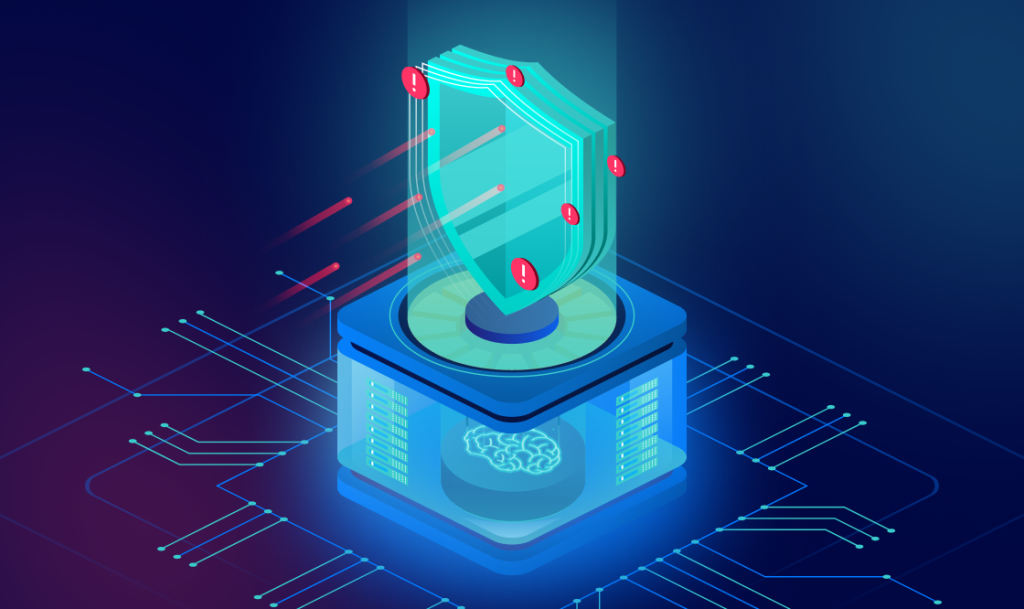
AI will power the next evolution of SOC operations with:
- Real-time threat correlation
- Automated incident prioritization
- Autonomous response to low-level threats
These tools reduce detection time from hours to seconds.
Zero Trust Frameworks
Assume nothing, verify everything. Zero Trust moves from “nice to have” to “non-negotiable” in 2026.
Authentication Systems without Passwords
Passkeys, biometrics, and hardware tokens significantly reduce credential theft risk.
Cloud Security Posture Management (CSPM)
CSPM tools continuously audit cloud environments for misconfigurations—one of the fastest-growing attack vectors.
Managed Detection and Response (MDR) and XDR
These tools deliver enterprise-grade protection to SMBs through:
- 24/7 monitoring
- Automated threat analysis
- Incident response support
- Unified visibility across endpoints, cloud, and identity systems
Klik integrates MDR/XDR directly into our cybersecurity service stack.
Tactics Every Business Needs to Implement Before Q2 2026
To prepare for the 2026 threat landscape, organizations must adopt the following foundational tactics:
1. Zero Trust Adoption: Move away from perimeter-based security and enforce least privilege everywhere.
2. Patch Automation: Reduce the window of vulnerability through automated updates and vulnerability remediation.
3. Data Encryption and Immutable Backups: Protect sensitive data at rest and in motion while guaranteeing recoverability.
4. MFA Everywhere: Including VPNs, cloud apps, admin accounts, and privileged workflows.
5. Ongoing Cyber Awareness Training: Annual training is no longer enough—short, targeted monthly sessions are the new standard.
6. Real-time Monitoring and IR Readiness: Incident response plans must be documented, tested, and updated regularly.
Klik’s Security Framework for 2026 and Beyond
Klik Solutions delivers a multi-layered cybersecurity strategy built specifically for SMB needs.
Prevention
- Vulnerability management
- Zero Trust consulting
- Identity and access controls
Detection
- 24/7 SOC monitoring
- AI-driven threat analytics
- MDR/XDR platform integration
Response
- Incident containment
- Forensic analysis
- Rapid remediation
Klik removes the complexity of modern cybersecurity by integrating tools, processes, and intelligence into a single, unified service that grows with your business.
Your 2026 Cyber Readiness Checklist
Before year-end, ensure your organization has:
- A Zero Trust roadmap
- Automated patch management
- MFA and passwordless authentication in place
- Immutable backups tested quarterly
- Cloud configuration audits
- Continuous endpoint monitoring
- Monthly cybersecurity awareness training
- A documented incident response plan
- A trusted MSSP partner managing 24/7 security
Ready to stay ahead of 2026 threats? Schedule your cybersecurity readiness audit with Klik Solutions today.
FAQ
What are the biggest cybersecurity threats in 2026?
AI-powered cyberattacks, ransomware 4.0, cloud misconfigurations, supply chain vulnerabilities, and identity-based attacks will dominate the 2026 landscape.
How can small businesses defend against AI-driven attacks?
By combining AI-enhanced detection tools, Zero Trust controls, continuous monitoring, and employee training. Partnering with an MSSP like Klik strengthens defenses and reduces risk.
What tools are essential for cybersecurity next year?
AI-based SOC technologies, MDR/XDR, CSPM, Zero Trust frameworks, and passwordless authentication are among the top tools for 2026.
How can Klik help implement modern cybersecurity frameworks?
Klik provides hands-on support in planning, deploying, and managing modern security solutions—ensuring SMBs gain enterprise-grade protection without enterprise complexity.
BLOG
The latest articles
-

-
-
We See THIS Before a Security Issue, and Most Teams Miss It!
-
The Simple Way to Stay Compliant in 2026 Without Losing Your Mind
-
How to Get Tech Support That Feels Like a Real Partner, Not a Bot
-
Why “More Tools” Didn’t Improve Their Data — And What Actually Did
-
We Often See This Pattern Before a Cybersecurity Incident — Here’s Why It Happens